Rethinking Protective Factors in Student Development
Educational discourse often assumes that more support is always better. However, emerging evidence suggests that support systems may interact in complex and sometimes non-additive ways.
The idea that protective factors simply accumulate is appealing but potentially misleading. While teacher support, parental warmth, and positive peer relationships are each associated with better outcomes, their effects are not always linear or independent.
For example, high parental support may buffer academic stress, but may not fully offset the emotional impact of peer bullying. Similarly, strong teacher support may promote academic achievement even when family resources are limited, but its effects on emotional regulation may be less pronounced.
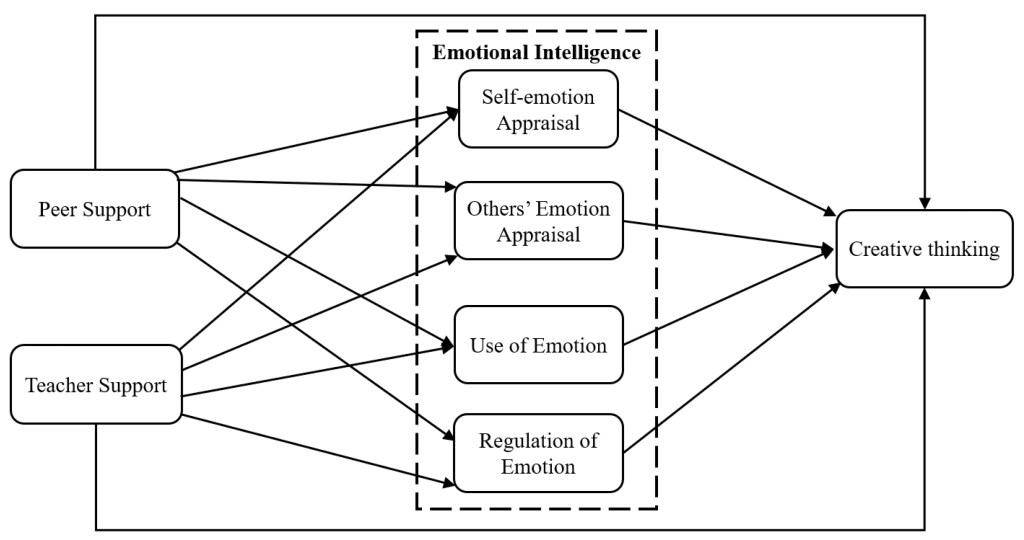
These patterns suggest that student development is shaped by configurations of support and risk rather than by single dominant influences. Understanding which combinations are most adaptive—and under what conditions—remains a central challenge for educational psychology.
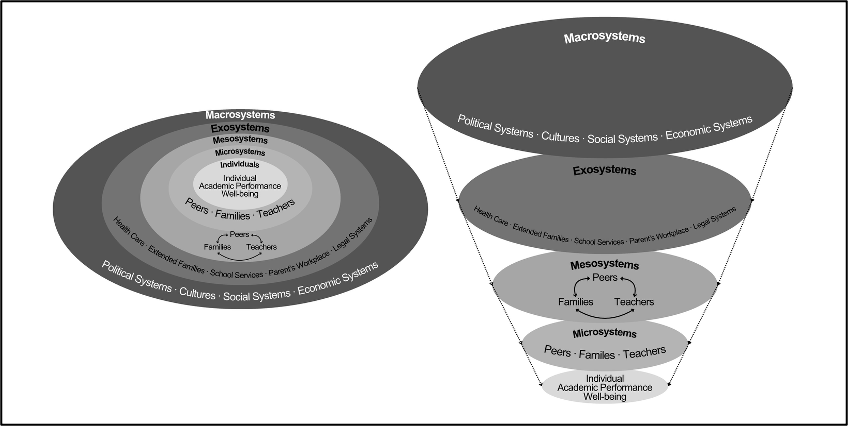
This perspective has important implications for school-based interventions, which often target isolated domains without considering the broader relational ecology of the student.

 Chenxi Shhen | Academic Site
Leave a comment