Reframing Student Development Through Relationships
Educational psychology is often misunderstood as a field concerned only with cognition or classroom instruction. In reality, it offers a powerful lens for understanding how students develop within complex relational systems.
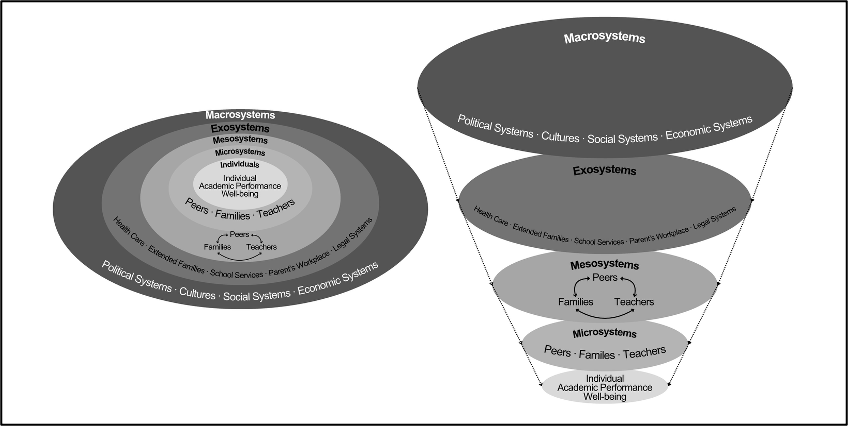
Educational psychology sits at the intersection of learning, development, and social context. While academic achievement is often treated as an individual outcome, decades of research suggest that students’ learning trajectories are deeply embedded in their relationships—with parents, teachers, and peers.
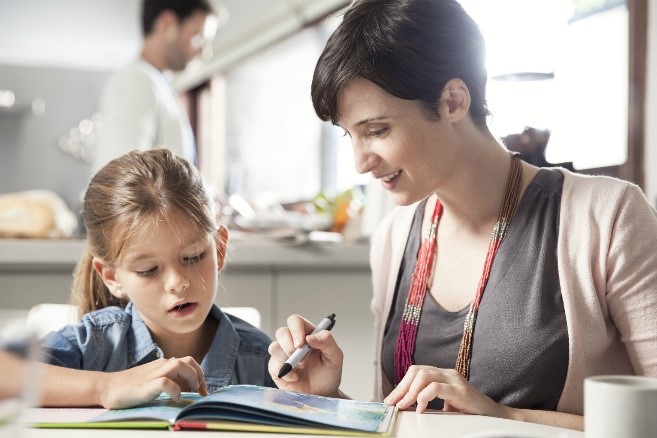
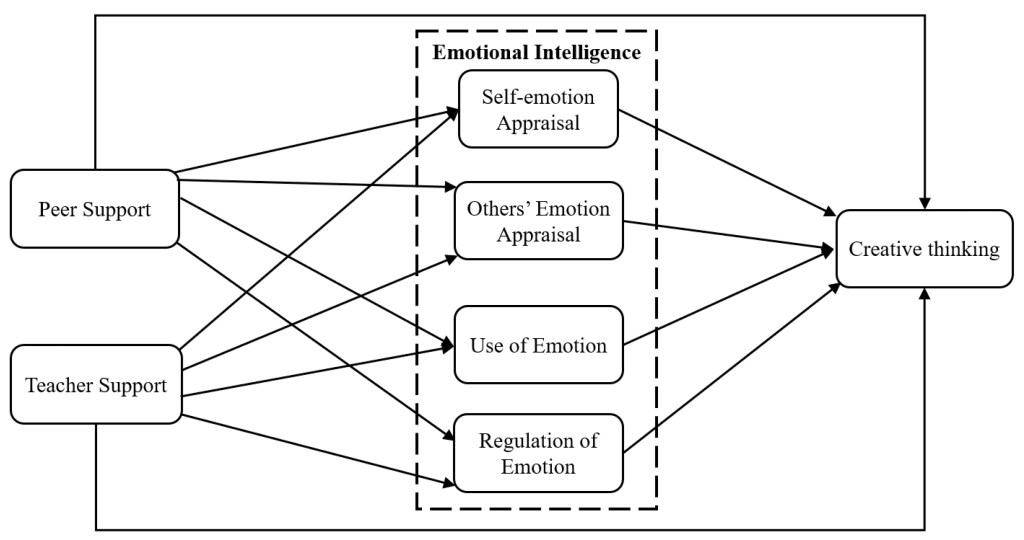
From an ecological perspective, students do not develop in isolation. Family emotional climates, teacher–student interactions, and peer dynamics collectively shape how young people regulate emotions, engage with learning tasks, and form beliefs about themselves as learners.
My interest in educational psychology emerged from a simple but persistent question: why do students with similar abilities respond so differently to comparable academic environments? Increasingly, the answer appears to lie not in cognitive capacity alone, but in the quality and configuration of relational support systems surrounding the student.
This blog will explore student development through relational, ecological, and attachment-informed perspectives, with a particular focus on how support and risk coexist across home and school contexts.

 Chenxi Shhen | Academic Site
Leave a comment